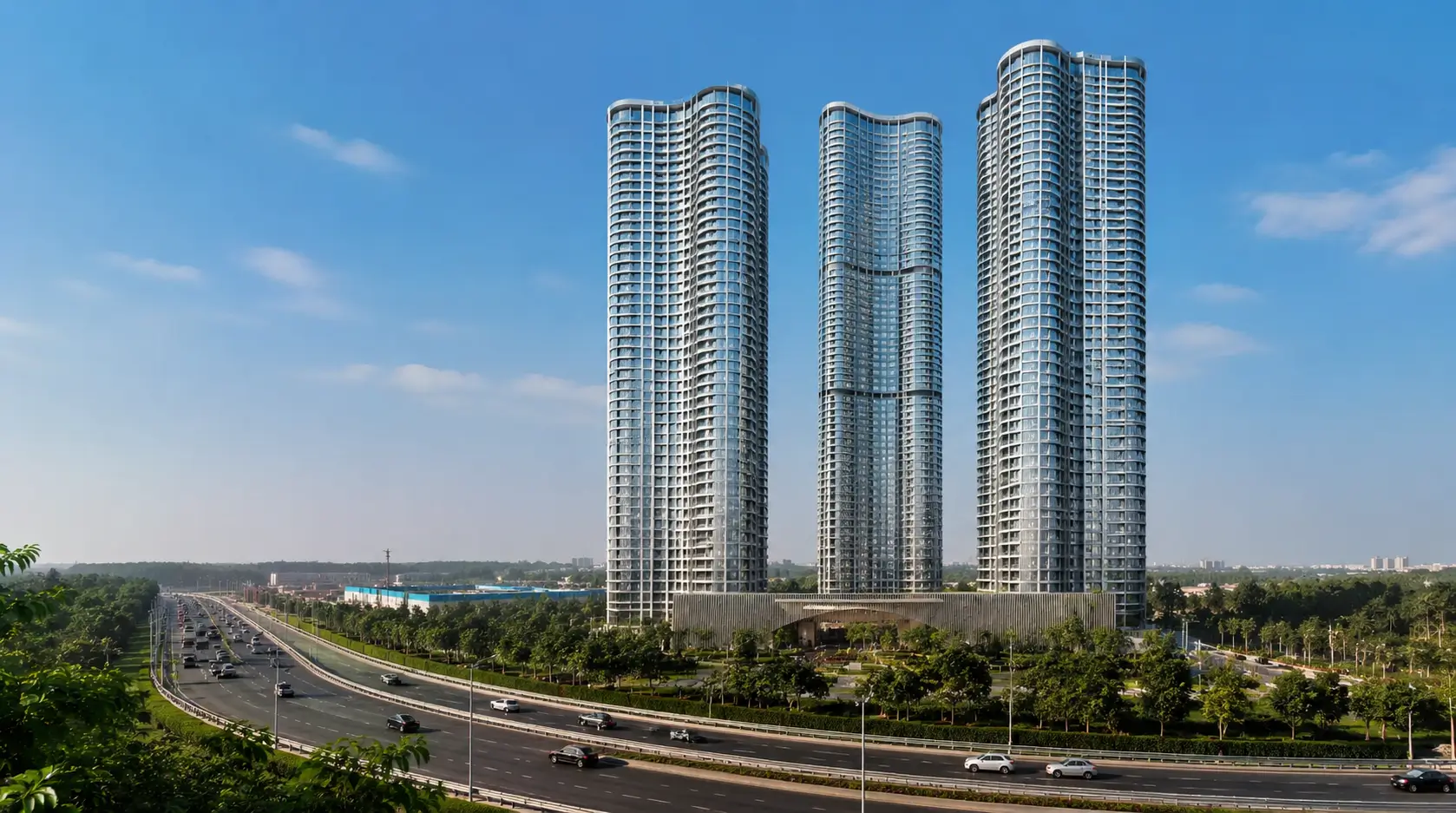
The structural shifting of urban real estate paradigms clearly illustrates how modern property investors prioritize layout excellence. Across major infrastructure corridors in developing metropolitan zones, aligning with Tier-1 builders who offer complete statutory compliance and integrated amenities forms the basis of calculated real estate investing. #link# serves as an active reference point for read more analyzing how localized infrastructure pushes organic demand. To accurately forecast future property rental yields and capital gains, it is necessary to study physical transit extension maps, aerospace industrial park expansions, and developer delivery records.
Evaluating High-Velocity Transit Infrastructure and Property Traction
The strategic deployment of international aviation gateways and cargo terminals future-proofs regional residential holdings against broader macro-economic corrections. Modern suburban growth matrices consistently reveal that commercial infrastructure investments creates an immediate demand pipeline for luxury apartments featuring superior specifications. If a gated luxury enclave offers direct, signal-free access to major information technology developments and business parks, the asset gains exceptional liquidity and easily captures a dominant share of the elite tenant pool. Furthermore, the massive influx of multinational technology giants, manufacturing conglomerates, and global capability centers eliminates the traditional lifestyle friction commonly associated with transitioning to newly developing suburban sectors. Investors tracking these specific geographic variables can systematically eliminate location-based investment risks.
Premium Interior Material Specifications and Low-Density Spatial Philosophy
The long-term maintenance overhead of contemporary residential towers depends heavily on transitioning away from conventional brick masonry toward advanced structural casting. Utilizing monolithic concrete pouring techniques instead of traditional clay block wall assemblies dramatically accelerates structural delivery timelines while ensuring uniform structural load distribution across all floors. Beyond external structural durability, the internal configuration choices within ultra-premium residences integrate smart home automated touchpoints, multi-tiered digital security hardware, and premium noise-insulated glass frameworks. In line with modern wellness trends, luxury township designs now focus intensely on preserving massive natural ecosystems. By dedicating over 65 to 85 percent of the total available acreage to landscaped gardens and biophilic reserves, the developer creates a rare, elite living environment that preserves long-term community exclusivity. Reviewing these exact spatial configurations allows buyers to verify actual carpet area efficiency numbers.
Decoding Pre-Launch Capital Entry Tactics and Property Valuation Models
When assessing historical asset performance across competitive financial markets, capturing early-stage pre-launch inventory from a reputed multi-state developer minimizes capital entry risk. Entering a tier-1 development phase before the public distribution of marketing brochures optimizes the overall return on investment by reducing immediate cash-flow outlays during early engineering stages. Concurrently, projected property rental yields within these rapidly expanding commercial and industrial zones consistently exceeds traditional market percentages, establishing a highly reliable secondary cash flow network. To completely eliminate construction and execution risks, the selection checklist must prioritize statutory verification. Verifying complete state-specific real estate regulatory authority compliance, widely known as the RERA approval registration, ensures that the property asset remains entirely free from future litigation risks or ownership contestations.
Analyzing the Tangible Value of Integrated Social Infrastructure and Hospitality
True luxury real estate in the current era is defined far beyond cosmetic interior finishes or layout dimensions. Deploying cutting-edge IoT property infrastructure along with predictive maintenance hardware, allows residents to effortlessly manage spatial lighting, interior climate settings, and visitor tracking protocols. This physical design transition is heavily backed by the development of massive multi-level lifestyle clubhouses. Providing comprehensive personal wellness facilities, dedicated therapeutic meditation lawns, and jogging tracks, modern townships match the precise lifestyle demands of C-suite executives and business leaders. In addition to this, implementing zero-waste rainwater harvesting models and sustainable solar energy networks adds an immense premium to the property's market positioning, driving permanent tenant demand.
Final Synthesis on High-Yield Residential Property Selection Matrices
To conclude, executing a highly successful real estate acquisition strategy requires looking closely at three core factors: local infrastructure completion schedules, developer execution prestige, and core construction engineering benchmarks. By systematically analyzing detailed cost breakdowns, validating historical handover records, and reviewing comparative market evaluations against competing options, will successfully future-proof their capital holdings against urban congestion and economic adjustments. Supported by structural economic expansions and the continuous growth of specialized technology parks, property holdings situated within well-connected residential hubs are guaranteed to dominate the regional real estate market.